
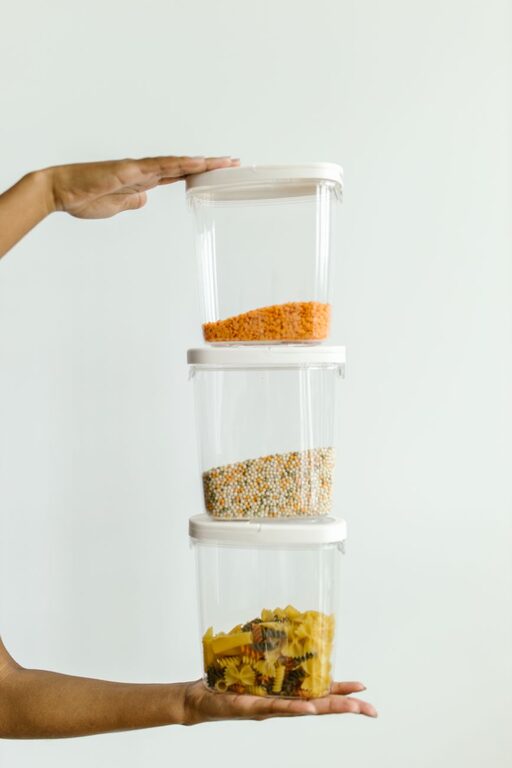
Planning meals using pantry staples is a smart way to save time, reduce food waste, and create tasty dishes without frequent trips to the store. Whether you’re aiming to stretch your budget or just want to simplify your weekly cooking routine, your pantry is an excellent resource.
In this post, you’ll learn how to organize your pantry, identify versatile staples, and plan meals that maximize what you already have. Let’s dive into practical steps to make meal planning with pantry staples easy and enjoyable.
Why Plan Meals from Pantry Staples?
Pantry staples are non-perishable or long-lasting ingredients like rice, beans, pasta, canned tomatoes, spices, and oils. Having a well-stocked pantry means you can:
– Whip up meals quickly without last-minute grocery trips
– Mix and match ingredients for variety
– Save money by using items before they expire
– Reduce food waste by planning around what you have
By mastering pantry meal planning, you gain flexibility and confidence in your cooking.
Step 1: Take Inventory of Your Pantry
Before planning meals, it’s important to know exactly what you have. Here’s how to get started:
Sort and Organize
– Clear your pantry shelves and group similar items together (grains, canned goods, baking supplies, spices).
– Check expiration dates and toss anything expired or stale.
– Arrange items so you can see them easily, placing frequently used ingredients at eye level.
Make a List
– Write down what you have in each category. For example:
– Grains: rice, quinoa, pasta
– Canned: black beans, diced tomatoes, corn
– Baking: flour, sugar, baking powder
– Oils and condiments: olive oil, soy sauce, vinegar
– Spices: cumin, chili powder, oregano
Having a visible list helps you plan meals and avoid buying duplicates.
Step 2: Identify Your Pantry Staples
Certain ingredients appear frequently in your pantry and can serve as the foundation of many recipes. Common staples include:
– Dry grains: rice, pasta, lentils, oats
– Canned goods: beans, tomatoes, broth
– Baking essentials: flour, sugar, baking soda
– Oils: olive oil, vegetable oil
– Spices and herbs: salt, pepper, garlic powder, chili flakes
Knowing these staples allows you to think creatively about meals that combine them.
Step 3: Build Meals Around Staples
Planning meals means imagining dishes that use combinations of your staples with fresh or frozen ingredients you may have.
Use a Template
Try planning meals around these basic structures:
– Grain + Protein + Vegetables
Example: Rice + canned black beans + frozen mixed vegetables stir-fried with soy sauce
– Pasta + Sauce + Cheese/Protein
Example: Spaghetti + canned tomato sauce + shredded cheese or canned tuna
– Soup/Stew
Example: Lentil soup using dried lentils, canned tomatoes, broth, and herbs
– Baked Goods
Example: Pancakes made from flour and oats, served with jam or honey
Mix and Match
Don’t be afraid to combine pantry staples in new ways. For example:
– Make chili with canned beans, canned tomatoes, chili powder, and rice
– Prepare a curry using canned coconut milk, spices, and canned chickpeas
– Whip up a frittata using eggs from the fridge and canned or frozen vegetables
Step 4: Supplement with Fresh Ingredients
While pantry staples can form a meal’s base, fresh or frozen items add flavor and nutrition. Keep a small selection of versatile fresh foods like:
– Onions and garlic (great flavor boosters)
– Carrots and potatoes (long-lasting vegetables)
– Eggs and cheese
– Frozen greens or mixed vegetables
Adding fresh produce to pantry-based meals creates balance and variety.
Step 5: Use Meal Planning Tools
To stay organized, try:
– Meal Planning Apps: Many apps allow you to input pantry items and suggest recipes.
– Weekly Menus: Write down a meal plan for the week on paper or a whiteboard.
– Shopping Lists: Based on planned meals, create a grocery list focusing on fresh ingredients that complement your staples.
Planning ahead helps you avoid last-minute decisions and reduces food waste.
Tips for Success
– Rotate Staples: Use older pantry items first when planning meals.
– Batch Cook: Prepare larger batches of pantry-based dishes and freeze portions for busy days.
– Try New Recipes: Search online for recipes that use common pantry ingredients to keep meals fresh and exciting.
– Keep Essentials Stocked: Replenish staple items regularly so you’re always ready to cook.
– Label Your Pantry: Label shelves or containers to quickly see what you have.
Sample Pantry Meal Ideas
Here are a few simple recipes using pantry staples:
Black Bean Tacos
– Canned black beans
– Taco seasoning (chili powder, cumin, garlic)
– Tortillas (store-bought or homemade)
– Optional: salsa, cheese, lettuce
Heat beans with spices, serve in tortillas, and top as desired.
Pasta with Tomato and Herb Sauce
– Pasta
– Canned diced tomatoes
– Olive oil, garlic powder, dried basil or oregano
– Grated cheese
Cook pasta, simmer tomatoes with spices, combine and serve.
Lentil Soup
– Dried lentils
– Canned tomatoes
– Vegetable broth or water
– Carrots and onions (fresh or frozen)
Simmer all together until lentils are tender.
Conclusion
Planning meals from pantry staples is an efficient, budget-friendly way to enjoy homemade meals any day of the week. By organizing your pantry, knowing your staples, and combining them with fresh ingredients, you can create countless delicious and nutritious dishes. Start small, keep a list, and have fun experimenting with what you have on hand!
Happy cooking!