
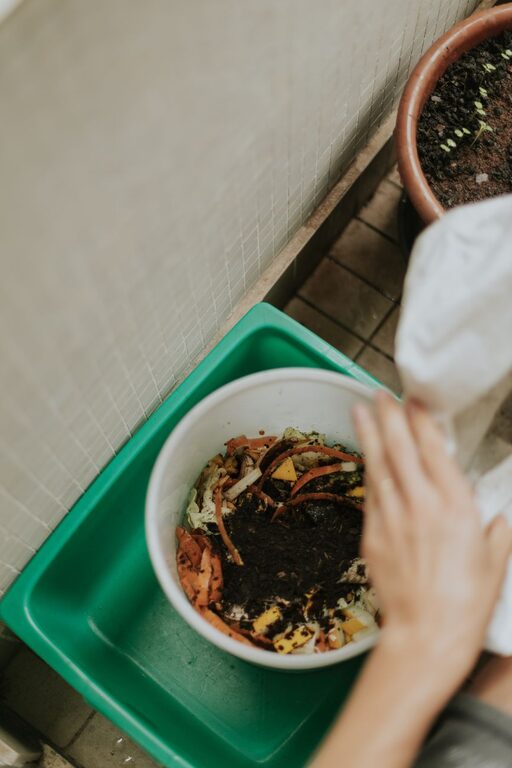
Composting is a fantastic way to reduce household waste while creating nutrient-rich soil that benefits your plants. If you’re new to composting, the process might seem a bit intimidating, but it’s easier than you think! This guide will walk you through beginner tips for composting at home, helping you get started with confidence and success.
What Is Composting?
Composting is the natural breakdown of organic materials like food scraps, yard waste, and paper. Microorganisms, insects, and worms work together to transform this waste into compost—a dark, crumbly substance that enriches soil.
Why Compost at Home?
– Reduce Waste: Composting keeps food scraps and yard waste out of landfills.
– Improve Soil: Compost adds valuable nutrients and improves soil structure.
– Save Money: Less need to buy fertilizers or soil conditioners.
– Help the Environment: Composting cuts methane emissions from waste and promotes healthy plant growth.
Getting Started: What You’ll Need
Starting composting doesn’t require expensive equipment or a lot of space. Here’s what to gather:
– A compost bin or pile space in your yard
– Organic waste materials (more on this below)
– Water source
– Basic tools like a garden fork or compost aerator (optional)
Choosing a Compost Bin
– Tumbler Bins: Easy to turn, good for quick composting.
– Stationary Bins: Usually larger and less expensive.
– DIY Piles: Designate a spot outdoors if you don’t want a bin.
Place your bin in a well-drained, partly shaded area for best results.
What to Compost: Green and Brown Materials
Successful composting depends on balancing two types of materials:
Greens (Nitrogen-rich)
– Fruit and vegetable scraps
– Coffee grounds and tea bags
– Fresh grass clippings
– Plant trimmings
Browns (Carbon-rich)
– Dry leaves
– Straw or hay
– Shredded newspaper or cardboard
– Small branches or twigs
What Not to Compost
Avoid:
– Meat, dairy, and oily foods (can attract pests)
– Diseased plants
– Pet waste
– Synthetic chemicals or plastics
How to Compost: Step-by-Step
1. Layer Your Materials
Start with a layer of coarse browns like twigs or straw for airflow. Then alternate layers of greens and browns about 2-4 inches thick.
2. Moisten the Pile
Your compost should be about as damp as a wrung-out sponge. Add water if it’s dry, or add more browns if it’s soggy.
3. Turn the Pile
Aerating the compost by turning it every 1-2 weeks speeds up decomposition by providing oxygen.
4. Be Patient
Composting takes several weeks to months depending on conditions. Finished compost smells earthy and looks dark and crumbly.
Tips for Success
– Chop or shred materials: Smaller pieces break down faster.
– Keep balance: Aim for about 3 parts browns to 1 part greens.
– Avoid compaction: Don’t pack materials too tightly; let air circulate.
– Monitor temperature: A hot pile decomposes faster; if it cools down, turn it to add air.
– Use worms: Vermicomposting uses worms to speed up breakdown indoors.
Using Your Compost
Once ready, compost can be used to:
– Amend garden soil
– Mulch around plants
– Improve potting mixes
– Feed lawns and flower beds
Spread a couple of inches on your garden and gently mix it into the topsoil for best results.
Common Questions for Composting Beginners
Q: Can I compost in an apartment?
A: Yes! Use a small worm bin (vermicomposting) or a sealed indoor compost bin designed for small spaces.
Q: How do I control odors?
A: Balance greens and browns, avoid meat or dairy, and turn the pile regularly.
Q: What if pests are a problem?
A: Use a closed bin and avoid adding scraps like meat or oily foods.
—
Composting is a rewarding activity that benefits your garden and the planet. Starting out is as simple as collecting your kitchen scraps, balancing your materials, and giving it some attention and time. With these beginner tips, you’ll be on your way to creating rich, healthy compost that helps your plants thrive. Happy composting!